This category honours these two movements that demanded change: Black Lives Matter and Me Too.
Over the last twenty years, culture has not stood still. It builds our tastes, but also challenges outdated norms; responding, resisting, and reshaping itself in real time. As Latitude marks its twentieth year, we reflect on two key movements that shifted conversations and changed how society holds power, accountability and justice.
Why These Movements Broke Through
What set Black Lives Matter and Me Too apart was not only what they addressed, but how they functioned culturally. Both movements framed injustice with identifiable harm, the asymmetry of power and moral vagueness. You didn’t need a party, an organisation, or expert knowledge to understand the faults both movements highlighted.
Both movements mobilised change through simple and accessible actions, from posting a story or hashtag to showing up to a march, or publicly stating “this matters”. Amplified by the speed and reach of the internet, these actions allowed Black Lives Matter and Me Too to travel rapidly across borders, embedding themselves into public consciousness and continuing to shape cultural conversations today.
Black Lives Matter
The Black Lives Matter movement surged worldwide after the killing of George Floyd in 2020. Minneapolis police officer Derek Chauvin knelt on George Floyd’s neck for over nine minutes while he was handcuffed. He repeatedly said, “I can’t breathe”. The incident, recorded on video and shared across the internet and social media, revealed the brutality of the arrest and became a catalyst for global protests against police violence and systemic racism.
There is no single official image of Black Lives Matter. Yet one gesture became inseparable from it: the raised fist.

First seen globally during the 1968 Olympics, when Tommie Smith and John Carlos raised black-gloved fists on the medal podium, the symbol returned in 2020 with renewed urgency. What changed was scale.
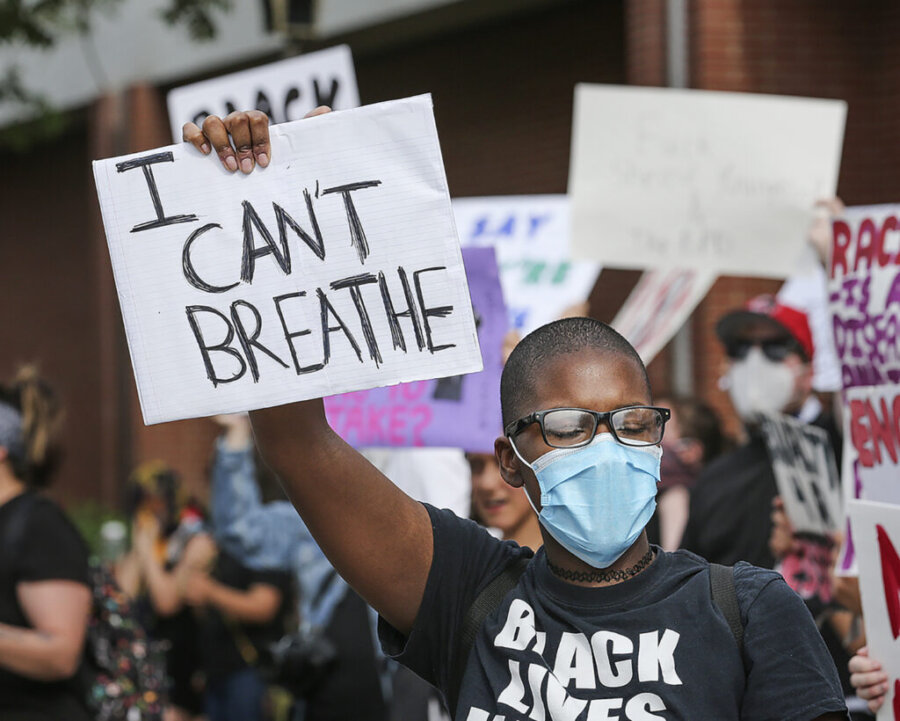
Silent, legible and impossible to ignore, the raised fist became shorthand for grief, resistance and collective dignity. Black Lives Matter reshaped how racism is discussed and confronted – not as isolated prejudice, but as systemic harm. It altered how institutions, media and individuals understand responsibility, visibility and accountability.
If Black Lives Matter brought collective action into public view, Me Too made consequence visible.
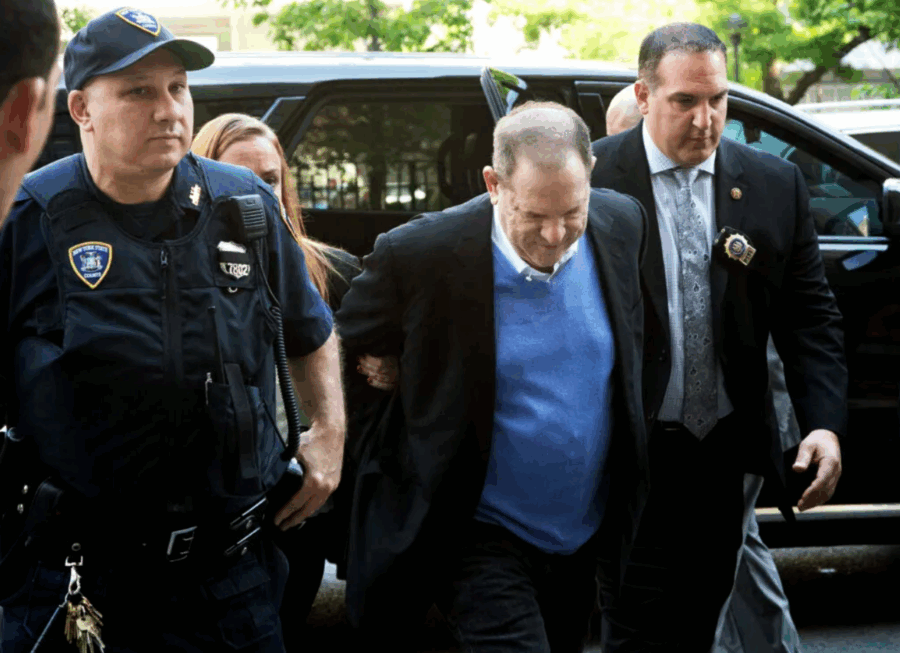
In autumn 2017, investigative reports by The New York Times and The New Yorker exposed decades of sexual harassment and assault allegations against Hollywood producer Harvey Weinstein. These reports shocked the world and dominated public conversation, discussed widely both online and in person.

On October 15, 2017, actress Alyssa Milano tweeted: “If you’ve been sexually harassed or assaulted write ‘me too’ as a reply to this tweet.” Within hours, hundreds of thousands of people responded. Within days, millions had posted “Me Too” across Twitter, Facebook, and Instagram. The Me Too movement immortalised itself, showing that these abuses were systemic rather than isolated.
This moment symbolised a historic shift in feminist activism, transforming awareness into accountability and leading to public reckoning, legal consequences, and lasting cultural change. The world watched Weinstein being led away in handcuffs outside a New York courthouse. For the first time, a figure long considered untouchable was publicly held to account. The image circulated globally, becoming visual shorthand for a cultural reversal, where power no longer guaranteed protection.
Why These Movements Matter Together
In a cultural landscape where progress remains contested, and where violence and hostility towards people of colour and women continues to resurface, the relevance of these movements has not diminished.
The renewed unrest in Minneapolis – the city that became a global focal point for Black Lives Matter – is a stark reminder that the conditions which gave rise to Black Lives Matter and Me Too have not disappeared. As Latitude marks twenty years, it feels essential to recognise the movements that reshaped the cultural landscape we exist within. Remembering these movements is not about looking back. It is about recognising why they mattered, why they still matter, and why the responsibility to challenge injustice cannot be allowed to fade.
The Listening Post at Latitude is the home for many discussions, but we are proud of the way we have led on the difficult conversations that encourage us to sit in the discomfort to decipher solutions. Last year, Maya Oppenheim and Susie McDonald expanded on The Andrew Tate Effect and we will be sure to represent the same curiosity and energy to bring the important conversations to our home at Henham Park.
With love,
The Latitude Festival Team